Calm aim or flashy aim in Valorant and why low cortisol consistency wins duels
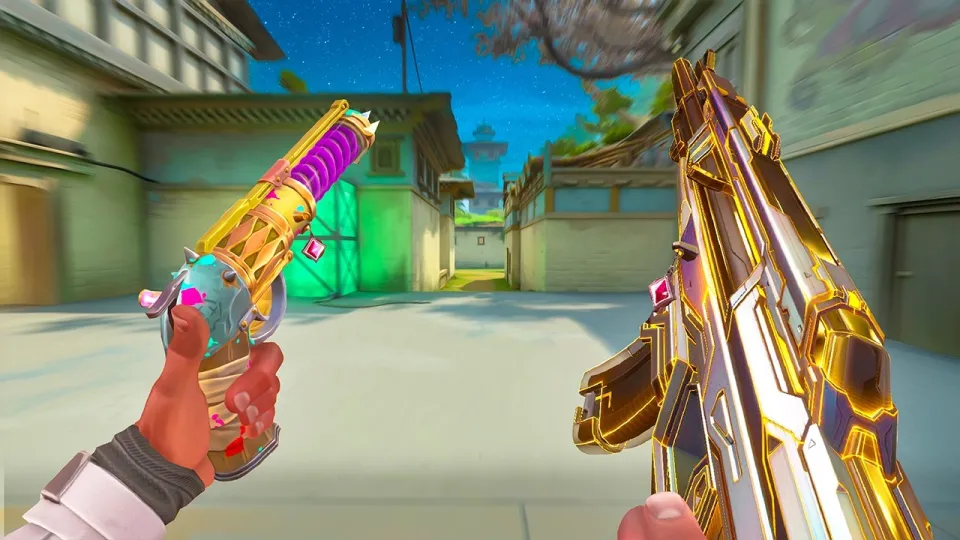
Video: low cortisol aim..
You can order the same kind of articles for your own video to boost it on YouTube and Google. Just message the Telegram bot @sat_sit_bot. Articles with your video embedded are written and posted by the bot itself — on popular topical sites (no ads). Your first 50 articles are free.
· based on the channel Rawzu
Key takeaways
- Rawzu runs 400 DPI at 0.625 sensitivity, a 1440x1080 resolution and the crosshair code 1-6-2-2.
- His setup: Logitech G Pro X Superlight 2, Artisan Zero Soft mousepad and a Zowie XL2566K 360Hz monitor.
- The low cortisol approach means calm crosshair placement and steady movement instead of flick-heavy panic aim.
- Phoenix pairs Curveball blinds and Blaze walls with Hot Hands and Run it Back for aggressive, self-sustaining duels.
- The clip mixes gameplay with ASMR-style audio, which is why viewers react to sound cues as much as to the aim.
Valorant aim improves fastest when you lower your arousal level, not your sensitivity: calm, repeatable crosshair placement beats highlight-reel flicks because most duels are decided before the first shot. The low cortisol approach shown in Rawzu's calm Phoenix gameplay is built on a fixed setup, pre-aimed angles and movement that keeps the crosshair ready, and you can start optimizing your own PC for Valorant with the Hone optimization tool before you touch a single in-game slider.
The idea is simple: a player who is not rushing, not over-flicking and not panicking on every peek will land more first bullets than a player chasing flashy plays. That is the whole thesis behind the "low cortisol aim" style, and it maps directly onto how Valorant's duelist role actually works.
What low cortisol aim actually means in Valorant
Low cortisol aim is a training mindset where you remove urgency from your mechanics so your hands stay loose and your decisions stay slow. In practice it means you hold angles with the crosshair already at head height, you strafe between shots instead of spraying, and you accept a duel you cannot win rather than forcing a 180 flick.
The name is a joke about stress hormones, but the mechanics behind it are real. High-pressure aiming produces tense grip, jittery micro-corrections and premature clicks. Calm aiming produces the opposite: smooth tracking, clean counter-strafes and a first shot that lands where you already pointed. Rawzu's clip leans into this deliberately, pairing quiet, ASMR-like audio with gameplay that looks almost boring until you notice how few shots are wasted.
The exact settings behind Rawzu's calm Valorant aim
The setup is deliberately unremarkable, which is the point: a stable, low-sensitivity configuration removes variables so your aim depends on you rather than on the hardware. Rawzu's published values are worth copying as a starting point, not as gospel.
- Sensitivity: 400 DPI at 0.625 in-game, which is roughly 250 eDPI — a low-sens range that rewards arm aiming and punishes wrist flicks.
- Resolution: 1440x1080, a stretched 4:3-style aspect that widens targets on screen.
- Crosshair: 1-6-2-2, a compact dot-and-lines setup that keeps the center of the screen readable.
- Mouse: Logitech G Pro X Superlight 2, a lightweight wireless shape suited to long arm swipes.
- Mousepad: Artisan Zero Soft, a control-leaning pad that adds stopping friction for low-sens play.
- Monitor: Zowie XL2566K at 360Hz, which reduces the gap between what you see and what you can react to.
If you are coming from a high-sensitivity wrist-aim style, dropping straight to 250 eDPI will feel broken for a week. Move in steps of about 10–15 percent and keep the crosshair code constant so you can tell whether the change helped.
Why Phoenix suits a calm aim style
Phoenix is an offensive Valorant duelist who specializes in hunting enemies down while crippling their ability to fire back, and that kit removes a lot of the panic that ruins aim. Curveball blinds enemies even when they are tucked behind corners, so you enter a fight with the information advantage instead of guessing. Blaze creates a vision-blocking wall that also deals damage, letting you cross open ground that would otherwise be a coin-flip peek.
Hot Hands gives self-healing and area denial, and Run it Back lets you take a losing trade and come back with full health. The result is an agent who can start duels on his own terms, which is exactly what a low-arousal aiming style needs: fewer desperate situations, more prepared ones. A calm player on Phoenix is not passive — he is picking fights he has already stacked in his favor with a blind and a wall.
Movement and crosshair discipline that make the aim look effortless
The most common compliment under clips like this is about movement rather than flicks, and that is not a coincidence: in Valorant, movement is what makes aim look clean. Three habits do most of the work.
- Counter-strafe before every shot. Tap the opposite key to stop instantly, then fire; a moving first bullet is a missed first bullet.
- Pre-aim the angle you expect, not the angle you fear. Keep the crosshair at head height along the wall edge as you clear.
- Clear one angle at a time. Wide-swinging into two possible positions turns a calm duel into a coin flip.
Stretched resolutions like 1440x1080 help here because wider models are easier to track with the crosshair, but they do not fix sloppy stops. If your shots feel late, the problem is usually the counter-strafe, not the sensitivity.
Common viewer questions about calm aim and this clip
Viewers of this kind of gameplay tend to ask the same handful of things, and the answers are more practical than mystical. The clip is a montage of Phoenix play with deliberately quiet audio, so some moments land as sound gags rather than aim demonstrations — that is a stylistic choice, not a tutorial.
- "Is this sensitivity actually good for beginners?" 400 DPI at 0.625 is on the low end; beginners often do better starting around 280–320 eDPI and lowering over time.
- "Do I need a 360Hz monitor?" No. High refresh rate helps reaction time, but a stable frame rate above your monitor's refresh matters more than the panel's maximum.
- "Why does the audio sound like ASMR?" The calm audio is part of the format — it reinforces the low-stress theme and makes the gameplay feel slower than it is.
- "How long until calm aim feels natural?" Expect two to three weeks of daily deathmatch and aim routines before the new sensitivity stops feeling foreign.
Useful links
- Optimize your PC for Valorant with Hone — the optimization tool linked in the video description.
- Rawzu's original music on Spotify — the artist page behind the channel's soundtrack.
- Rawzu's Discord community — the channel's server for clips, settings talk and lobbies.
The takeaway from Rawzu's calm Valorant approach
Calm aim is a trainable habit, not a talent, and the low cortisol framing is a useful reminder that most missed shots come from tension rather than from slow hands. Rawzu's Phoenix gameplay makes the case with a plain setup — 400 DPI at 0.625, 1440x1080, crosshair 1-6-2-2, an Artisan Zero Soft and a Superlight 2 — and lets the movement do the talking. Copy the settings as a baseline, then spend your practice time on counter-strafing and pre-aim instead of flick speed. If your PC is the weak link, run the Hone Valorant optimization first so frame drops stop costing you duels. This breakdown was built around the Rawzu channel's clip and its published configuration.
Source: low cortisol aim.. · Markdown version
Questions & answers
What does low cortisol aim mean in Valorant?
It is a slang term for calm, low-stress aiming: loose grip, pre-aimed crosshair and steady movement instead of panic flicks. The goal is repeatable first bullets rather than highlight plays. It is a mindset label, not an official game mechanic.
Is 400 DPI at 0.625 sensitivity too low for most players?
That works out to roughly 250 eDPI, which is low but common among arm aimers. Many players sit between 250 and 400 eDPI, so it is a reasonable target rather than an extreme. Lower it gradually, in steps of about 10–15 percent, so your muscle memory can adjust.
Do I need Rawzu's exact mouse and mousepad to aim like this?
No. The Logitech G Pro X Superlight 2 and Artisan Zero Soft are comfortable, control-oriented choices, but the settings matter more than the hardware. Any lightweight mouse and a pad with decent stopping power will let you run the same sensitivity. Consistency of setup matters more than the brand.
Why does the clip sound like ASMR instead of normal gameplay audio?
The quiet, close-miked audio is a stylistic choice that matches the calm-aim theme of the video. It is meant to feel slow and controlled rather than hyped. Do not read it as a settings guide — the actual configuration is listed separately in the description.